Angie Towse
Clinical Hypnotherapist, NLP Practitioner
& Coach
Founder of States of Mind
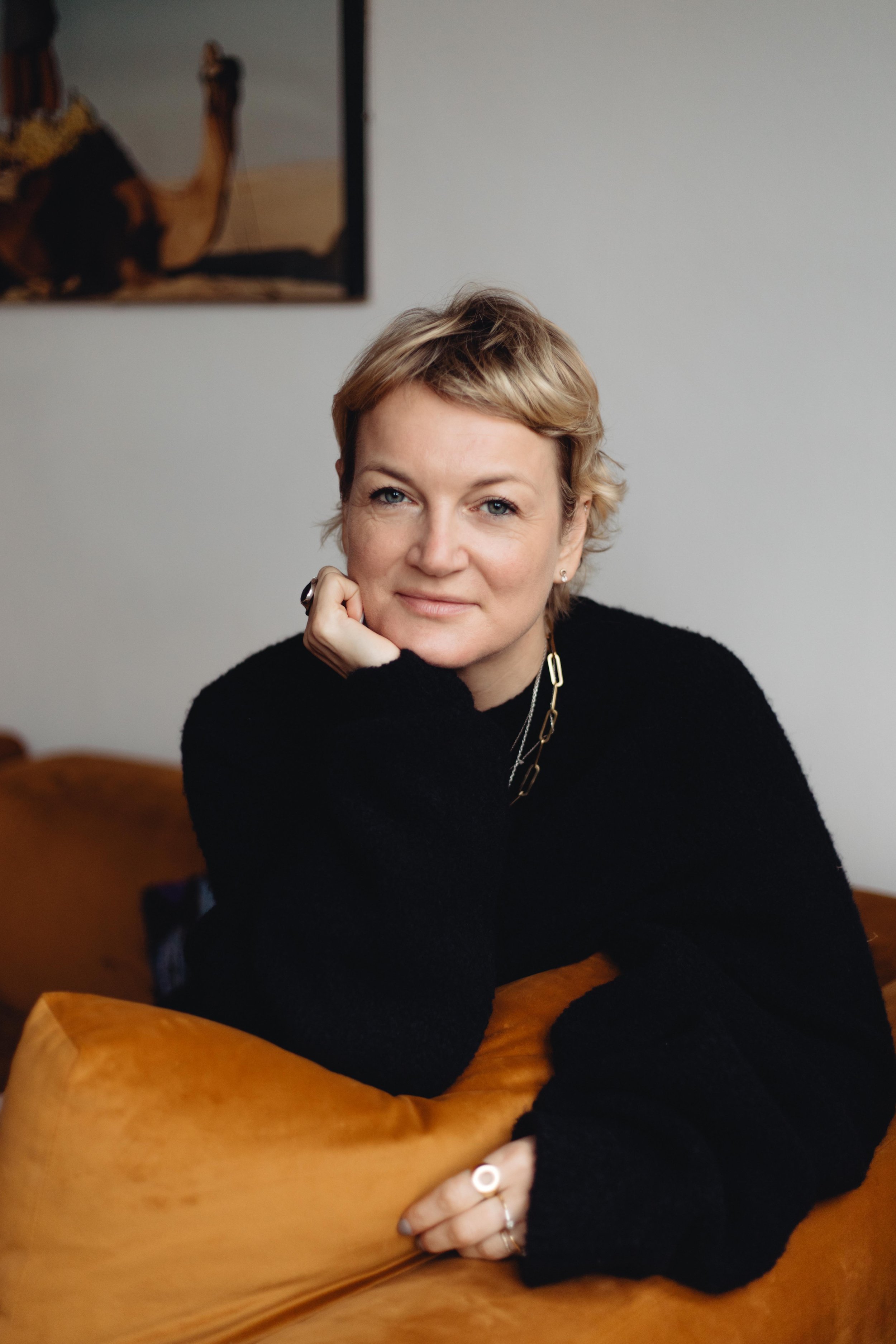
Getting well was the start. What surprised me was what came next. I'd been living by a set of rules I'd never noticed: what work had to look like, where I had to live, what a sensible life was. Once I could see them, I started stepping past them.
Now I live between London and Lisbon and work from wherever I am. I travel far more than I ever thought I could. I look after myself, and I still love a night of dancing. These days I wake up the next morning feeling great. Feeling well and enjoying life turned out not to be a trade-off, and I feel good about both.
That experience is why I trained, first to Advanced and then to Masters level in clinical hypnotherapy, alongside NLP and coaching. Twenty years in music and events also means I know about ambition, pressure and the pull of always being on.
I'm not here to suggest anyone lives like me. Your box will look different, and you probably can't see all of it yet. That's what we find together, then we work out what you want to do with the space.

I didn't know I was living in a box until I stepped out of it.
For over ten years I ran an award-winning music and culture PR agency, with offices in London and Berlin. From the outside, it looked like a great life. Inside, I was crashing every weekend, waking up tired after a full night's sleep, and quietly cutting back on everything that made life fun.
Then I became properly ill. There was pain, brain fog, and exhaustion so deep I sometimes struggled to hold a conversation. I tried doctors, diets, supplements, all of it, and I was close to stepping back from the business I'd built.
A friend suggested hypnotherapy, and I pictured an 80s holiday-camp stage show, someone clucking like a chicken for a laugh. I gave it a go anyway, as a last attempt. And it changed everything.


Much of how we think, react and feel runs on autopilot. Everything we do together works with it, not against it.
NLP
Neuro-linguistic programming. The part I love most.
The name sounds technical, but the idea is simple. Neuro is how your mind and body react. Linguistic is the language you use, out loud and in your head. Programming is the habits those two settle into over time. Think of it like the settings on your phone: most people never open them, but once you do, you can change what happens automatically.
The inner voice that says "you'll mess this up" gets turned down, or given a different tone, until it stops running the show.
The knot in your stomach before a big meeting is swapped for the calm you feel on a good day, using a simple physical cue you can call on whenever you need it.
A decision you've been circling is viewed from a year ahead, looking back, so the answer feels much clearer.
You leave with tools you can use the same day, in a meeting, a queue or a hard conversation.
ABOUT NLP
neuro·linguistic·programming
/nLp/
a set of methods for improving mindset by connecting thoughts, language, and behaviour.
NLP is the connections made between the brain and the rest of the body. The brain sends messages to all areas of the body telling it how to respond and behave in each situation. These behaviours then start to show up automatically, which in time form patterns and pathways, ‘neural pathways’. For example when we think about brushing our teeth, locking the door, tying our shoelaces; for most people these will be pretty automatic functions that we don’t need to think about. This not only makes our lives easier but frees up conscious neurology (think of it as brain space) for new learning and experiences.
Occasionally though, this can start to work the other way. During our lives, the brain and body also create markers and flags in response to experiences that have for some reason caused concern, danger, uncertainty etc. Whilst these can certainly be useful, sometimes easy mistakes are made and flags are put in place in the wrong areas. These can then get stuck in a bit of an echo forming a more negative loop, leaving us feeling powerless to be able to move on from this and change it. This can show up in anxiety, recurrent illness, old habits, negative thought patterns etc.
ABOUT coaching
coach·ing
/kəʊ.tʃɪŋ/
Coaching is a form of development in which a coach, supports a client in achieving a specific personal or professional goal.
For me this is the crucial element that underpins these valuable practices and functions. This is what makes it a personalised journey. As a certified coach my role is to help you change in the way that you want, helping you find the clarity you need to choose the direction you take next. I support you at every level in becoming who you want to be. I help you connect with your awareness allowing you to make empowering choices that lead to change. Having this coaching element can be different to how other hypnotherapists work, as it’s a much more supportive experience that stays with you every step of the way.